Are you trying to boost your brand’s visibility and wondering whether to invest in paid content marketing or focus on organic content marketing? Choosing the right strategy can feel confusing because both have unique strengths and challenges.
What if you could understand exactly how each approach impacts your reach, engagement, and sales? You’ll discover the key differences between paid and organic content marketing, so you can make smarter decisions for your business. Keep reading to find out which method fits your goals—and how combining them might unlock the best results for your growth.
Paid Content Marketing Basics
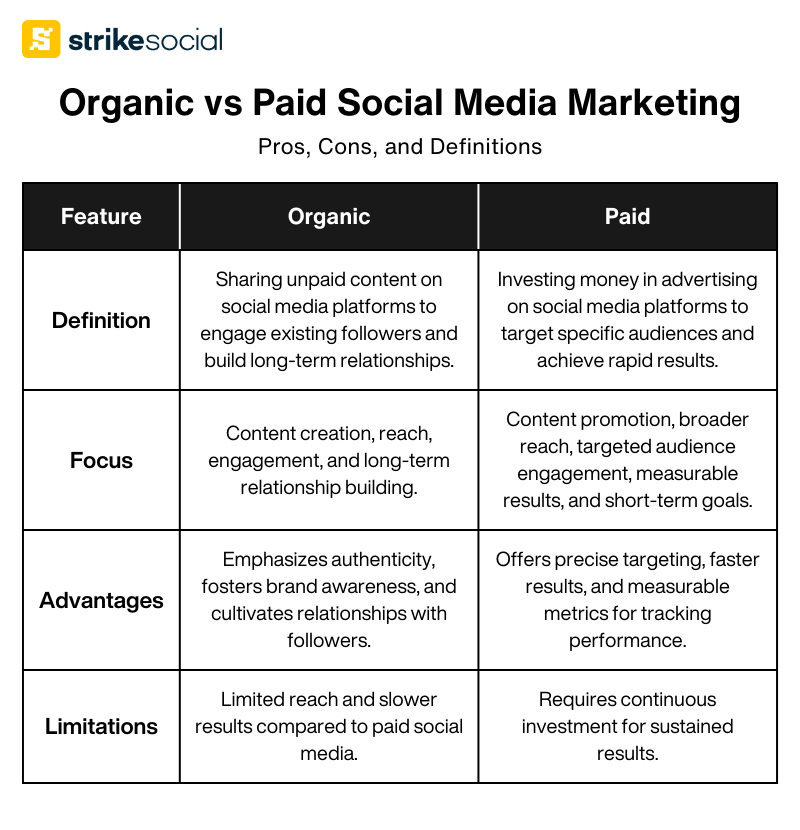
Paid content marketing is a strategy where businesses pay to promote their content. It helps reach a specific audience quickly. This method offers control over who sees the content and when. It can boost visibility and drive traffic faster than organic methods. Understanding its basics can help decide if it fits your marketing goals.
Key Features
Paid content marketing involves budget allocation for ads. It targets specific audiences based on demographics or interests. Results appear quickly after launching campaigns. It uses measurable data to track performance. Campaigns can be adjusted in real-time to improve results.
Common Platforms
Popular platforms include Google Ads and Facebook Ads. LinkedIn and Twitter also offer paid content options. YouTube allows video content promotion through ads. These platforms provide tools to target and analyze audiences. Choosing the right platform depends on your audience and goals.
Typical Goals
The main goal is to increase brand awareness fast. It also aims to generate leads and sales directly. Paid marketing can boost website traffic immediately. It helps promote new products or special offers. Tracking conversions helps measure the success of campaigns.
Organic Content Marketing Basics
Organic content marketing builds trust by sharing valuable information without paid ads. It focuses on creating helpful, interesting, and relevant content that attracts visitors naturally. This type of marketing grows your audience over time through genuine engagement and consistent effort. Understanding its basics helps you use it effectively for long-term success.
Key Features
Organic content marketing relies on quality, consistency, and relevance. It uses natural methods to reach people, not paid promotions. The content often includes blogs, videos, and social media posts. It encourages interaction, such as comments and shares. Patience is important because growth happens slowly but steadily.
Common Platforms
Popular platforms include blogs, YouTube, and social media sites like Facebook and Instagram. Search engines like Google also play a major role. These platforms help content appear in search results or news feeds. The goal is to reach people interested in your niche without paying for ads.
Typical Goals
Goals focus on building brand awareness and trust. It aims to attract and engage an audience over time. Creating loyal followers who return regularly matters most. Organic marketing also supports SEO to improve search rankings. It helps generate leads and sales naturally without direct advertising.
Cost Comparison
Comparing costs between paid and organic content marketing helps decide the best strategy. Each method requires different spending patterns. Knowing these expenses guides budget planning and marketing goals. Cost plays a key role in choosing the right approach for your business.
Initial Investment
Paid content marketing demands a higher upfront cost. You pay for ad space, design, and placement. This can add up quickly depending on the platform.
Organic content marketing needs less cash initially. The main expenses involve content creation and SEO tools. Time and effort are also part of this initial investment.
Long-term Expenses
Paid marketing costs continue as long as ads run. Stopping payments ends the campaign and traffic drops. This makes it a recurring expense.
Organic marketing requires ongoing effort to maintain and grow. Updating content and building backlinks take time and resources. Over time, this method can lower costs but needs patience.
Audience Reach And Targeting
Audience reach and targeting are key factors in content marketing success. They determine how many people see your message and how relevant that message is to them. Both paid and organic content marketing offer unique ways to connect with audiences. Understanding these differences helps choose the best approach for your goals.
Paid Targeting Capabilities
Paid content marketing allows precise audience targeting. Marketers can select demographics like age, location, and interests. This control ensures the content reaches the right people quickly. Paid ads also let you target based on behavior, such as past purchases or website visits. This boosts the chance of engagement and conversions. Paid campaigns can scale fast to reach large or niche groups. The ability to adjust targeting in real time helps optimize performance and budget use.
Organic Audience Building
Organic content marketing focuses on attracting audiences naturally. It grows followers and readers over time through valuable and consistent content. This method builds trust and loyalty with the audience. Organic reach depends on search engine rankings and social sharing. It may take longer to see results but creates a lasting relationship. This approach suits brands aiming for long-term engagement and community building. Content must be relevant and helpful to encourage sharing and return visits.
Speed Of Results
Speed of results plays a key role in choosing between paid and organic content marketing. Businesses often need to decide how quickly they want to see outcomes from their efforts. Both strategies offer distinct timelines for growth and engagement. Understanding these timelines helps set realistic expectations and plan campaigns effectively.
Immediate Impact Of Paid Content
Paid content marketing delivers fast results. Once a campaign launches, ads reach the target audience instantly. This quick exposure drives traffic and leads rapidly. Paid ads allow precise targeting, ensuring the right people see your message right away. Businesses can measure impact in real-time and adjust spending to optimize performance. This immediacy suits short-term goals or product launches.
Gradual Growth With Organic Content
Organic content marketing builds results slowly over time. It relies on creating valuable content that attracts visitors naturally. Search engines and social shares increase visibility step by step. This process takes patience but creates lasting trust and authority. Organic growth often leads to higher engagement and loyal audiences. It supports long-term brand presence without ongoing advertising costs.
Content Control And Flexibility
Content control and flexibility define how marketers manage their messaging. These factors impact the speed and precision of reaching target audiences. Marketers need to understand the differences between paid and organic content control.
Paid content offers direct control over where and when content appears. Organic content depends on platform algorithms and user engagement. Both approaches have unique strengths and challenges in managing content.
Paid Content Adjustments
Paid content allows quick edits to campaigns anytime. Marketers can change text, images, or targeting instantly. This flexibility helps test different messages and find what works best. Budgets can shift to focus on top-performing ads. Real-time data guides these changes for maximum impact. Paid content stays visible as long as funds support it.
Organic Content Limitations
Organic content relies on audience interaction and sharing. Once published, changes are difficult or impossible to make. Content visibility depends on platform rules and user behavior. It can take time to gain traction or reach new people. Organic posts may lose relevance quickly without ongoing promotion. Marketers face less control over timing and reach.
Engagement And Trust
Engagement and trust are key in content marketing. They build a loyal audience and encourage actions. Both paid and organic content affect these factors differently. Understanding user reactions and trust levels helps choose the right strategy.
User Interaction With Organic Content
Users often see organic content as more genuine. It grows naturally through shares and comments. This leads to higher interaction rates. People feel more connected to content that is not pushed by ads. Organic posts invite real conversations and feedback. This interaction builds a strong bond between the brand and its audience.
Perceptions Of Paid Content
Paid content is seen as promotional by many users. It may attract attention quickly but can feel less personal. Users sometimes skip paid ads because they seem less trustworthy. Still, paid content can target specific groups effectively. Trust depends on how well the ad matches user needs. Clear, honest ads gain more respect and engagement.
Seo And Long-term Benefits
Understanding the relationship between SEO and content marketing is crucial for lasting success. SEO builds a website’s authority and visibility over time. Content marketing supports SEO by providing valuable and relevant information for users. Both paid and organic content impact SEO, but their effects differ significantly.
Organic Content’s Role In Seo
Organic content helps improve search rankings naturally. Search engines value fresh, useful content that answers users’ questions. Regularly updated blogs, guides, and articles build trust and authority. This content attracts backlinks, which boost SEO strength. Over time, organic content creates a steady flow of free traffic. It also supports keyword targeting without direct advertising costs. The long-term benefit lies in sustained visibility and audience engagement.
Paid Content And Seo Impact
Paid content offers quick visibility through ads and sponsored posts. It can drive immediate traffic and conversions. However, paid content does not directly improve SEO rankings. Once the payment stops, the traffic usually declines. Paid campaigns require ongoing investment to maintain results. SEO benefits from paid content come indirectly, such as increased brand awareness. Paid content can complement organic efforts but does not replace them.
Examples Of Paid Content Campaigns
Paid content campaigns use advertising budgets to boost visibility quickly. They target specific audiences to achieve fast results. These campaigns appear on social media, search engines, and other digital platforms. Brands use paid content to drive traffic, increase leads, or promote products.
Examples of paid content campaigns show how different platforms and formats work. These examples help understand how paid marketing fits into a business strategy.
Google Ads Campaigns
Google Ads display text or shopping ads above search results. They appear when users search for related keywords. Advertisers pay per click, ensuring focused audience reach. These campaigns boost website visits and increase sales fast.
Facebook Sponsored Posts
Facebook allows businesses to promote posts to specific groups. Advertisers choose age, location, interests, and more. Sponsored posts appear in users’ news feeds as native content. This method helps brands gain followers and boost engagement.
Instagram Influencer Partnerships
Brands pay influencers to create content featuring their products. Influencers share posts or stories with their followers. This paid content looks natural and builds trust quickly. It works well for reaching younger and trend-focused audiences.
Linkedin Sponsored Content
LinkedIn offers sponsored posts targeted at professionals. Companies promote articles, videos, or offers to decision-makers. This paid campaign type is ideal for B2B marketing. It generates leads and increases brand credibility.
Youtube Video Ads
YouTube shows video ads before or during other videos. Advertisers pay based on views or clicks. These ads help build brand awareness and drive traffic. Video ads engage viewers with rich, visual content.
Examples Of Organic Content Campaigns
Organic content campaigns show how brands grow without paid ads. They build trust by sharing helpful and interesting content. These campaigns often attract loyal followers over time. The key is consistency and genuine value.
Many companies use blogs, videos, and social media posts to engage their audience. They focus on topics their customers care about. This way, they create a community around their brand. Below are some clear examples of organic content campaigns.
Educational Blog Series
Brands create a series of blog posts teaching useful skills. For example, a gardening company might share weekly tips on plant care. Readers return regularly, learning more and trusting the brand. This steady stream of content helps improve search rankings too.
User-generated Content Campaigns
Encouraging customers to share their stories or photos is powerful. A clothing brand might ask buyers to post outfit photos using a hashtag. This creates authentic content without extra cost. It also builds a sense of community and loyalty.
How-to Videos On Social Media
Short videos showing how to use products or solve problems attract viewers. A makeup brand sharing quick tutorials helps users apply products better. These videos get shared and saved, increasing organic reach naturally. They offer real value in an easy format.
Interactive Quizzes And Polls
Quizzes and polls engage users and encourage sharing. A fitness brand might create a quiz to find the best workout plan. This fun interaction draws attention and spreads awareness. It also helps brands learn more about their audience.
Pros And Cons Of Paid Content Marketing
Paid content marketing offers quick visibility and targeted reach. It allows brands to place content directly in front of specific audiences. This method can generate fast traffic and leads. Yet, it requires a budget and careful planning. Understanding the pros and cons helps in making smart marketing decisions.
Advantages Of Paid Content Marketing
Paid marketing delivers immediate results. You can target users by age, location, and interests. It offers precise control over who sees your content. Campaigns can be adjusted quickly for better performance. Paid ads also boost brand awareness fast. This method supports clear goal tracking and measurement.
Disadvantages Of Paid Content Marketing
Paid marketing costs can add up quickly. Small budgets may limit reach and impact. It depends heavily on continuous spending to maintain results. Ads might be ignored or blocked by users. Poorly targeted ads waste money and damage reputation. The approach may lack long-term engagement or loyalty.
Pros And Cons Of Organic Content Marketing
Organic content marketing offers a natural way to build your brand and audience over time. It relies on creating valuable, relevant content that attracts people without paying for ads. This approach has unique benefits and challenges worth understanding before investing your efforts.
Advantages Of Organic Content Marketing
Organic marketing builds trust with your audience through genuine engagement. It helps create long-term relationships by providing useful information consistently. Content that ranks well on search engines brings free, steady traffic to your site. This method improves brand awareness and authority without ongoing costs. It encourages sharing, which can increase your reach naturally.
Disadvantages Of Organic Content Marketing
Organic marketing takes time to show results and requires patience. It depends heavily on search engine algorithms, which can change unpredictably. Growing an audience organically can be slower compared to paid methods. Creating quality content regularly demands effort and creativity. Sometimes, it is hard to measure immediate impact or return on investment clearly.
Combining Paid And Organic Strategies
Combining paid and organic content marketing strategies creates a powerful mix. This approach helps brands reach more people and build trust at the same time. Paid campaigns bring quick visibility, while organic efforts build lasting relationships. Using both together balances short-term gains with long-term growth. This section explores how merging these strategies benefits your marketing efforts.
Hybrid Approach Benefits
The hybrid method uses paid ads to boost organic content reach. It helps increase traffic faster than relying on one method alone. Paid ads can target specific audiences, driving relevant visitors to your site. Organic content builds credibility and encourages audience loyalty over time. Together, they improve brand awareness and increase conversion chances. This approach also provides valuable data to refine marketing tactics. It creates a more consistent and effective presence online.
Best Practices
Start by identifying goals for both paid and organic efforts. Match paid ads with high-performing organic posts to maximize impact. Use paid campaigns to test new content ideas before boosting organically. Monitor performance metrics closely to adjust budgets and strategies. Ensure messaging stays consistent across all channels for a unified brand voice. Focus on quality content that adds value to your audience. Keep testing and learning to improve results continually.
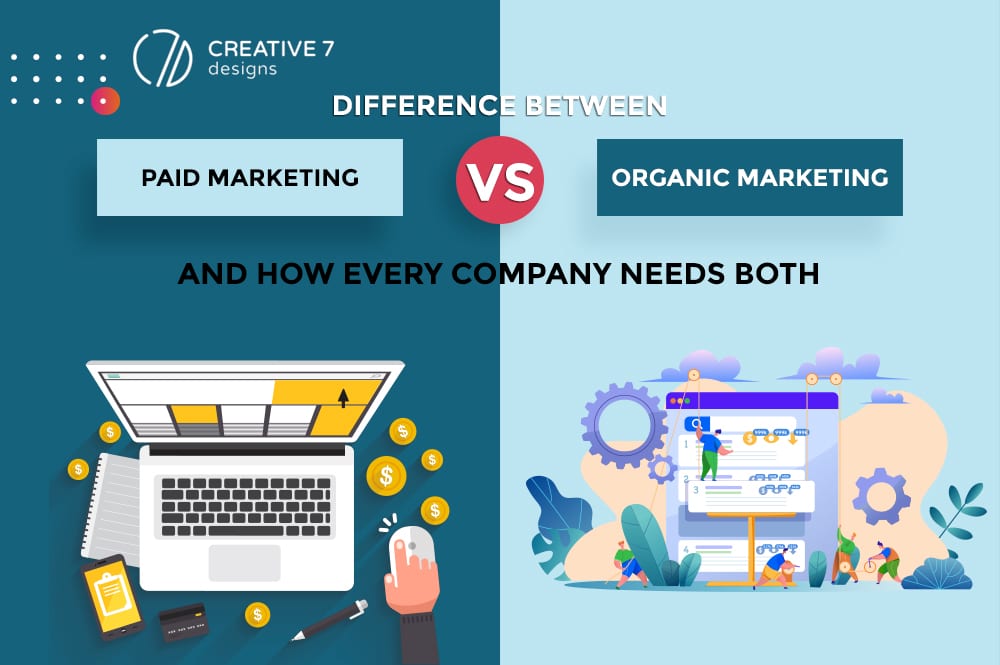
Choosing The Right Strategy For Your Business
Choosing the right content marketing strategy shapes your business growth. Both paid and organic methods have unique strengths. Your choice depends on many factors. Understanding these helps create a plan that fits your needs. Consider your industry, budget, and goals before deciding.
Industry Considerations
Different industries respond differently to content marketing. Some sectors thrive on organic reach and trust-building. Others require quick visibility and targeted ads. For example, fashion brands often benefit from organic content that builds community. Tech companies might prefer paid campaigns for faster user acquisition. Study your competitors and audience behavior to guide your choice.
Budget And Resources
Paid content marketing demands a steady budget for ads and promotions. Small businesses with limited funds may struggle to keep up. Organic content relies more on time and effort than money. Creating quality posts and engaging with followers takes patience. Assess your team’s skills and available budget. Balance spending with what your business can sustain long term.
Short-term Vs Long-term Goals
Paid marketing suits short-term goals like product launches or events. It delivers fast results and measurable outcomes. Organic marketing builds brand awareness slowly but lasts longer. It strengthens customer loyalty and trust over time. Choose paid strategies for immediate impact. Use organic approaches to nurture lasting relationships.
Frequently Asked Questions
What Is The Main Difference Between Paid And Organic Content Marketing?
Paid marketing uses ads to reach audiences fast; organic grows audience naturally without direct cost.
Which Content Marketing Method Is Better For Long-term Growth?
Organic marketing builds trust and lasting audience over time, unlike paid ads that stop when funding ends.
How Does Paid Content Marketing Improve Audience Targeting?
Paid marketing lets you choose who sees your content based on age, location, interests, and more.
Can Organic Content Marketing Work Without A Big Budget?
Yes, organic marketing relies on creating useful content and engaging with audiences without needing much money.
Conclusion
Choosing between paid and organic content marketing depends on your goals. Paid marketing drives fast traffic and quick results. Organic marketing builds trust and long-term relationships. Combining both can balance immediate impact with lasting growth. Focus on your audience’s needs and budget.
Keep testing to find what works best. Both methods have unique strengths. Use them wisely to grow your brand steadily and effectively.
This post contains affiliate links. I may earn a commission if you make a purchase through them, at no extra cost to you.