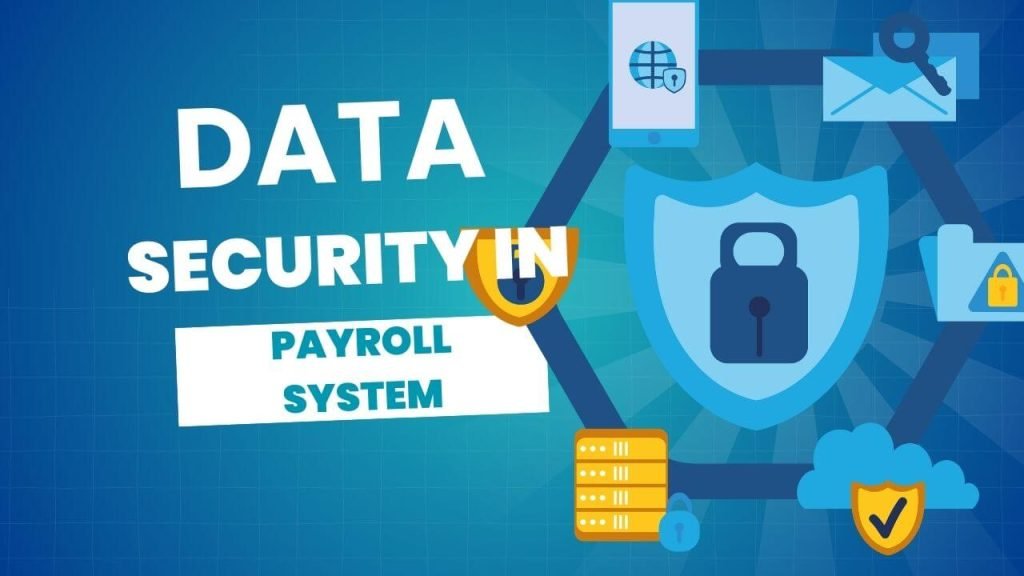
In today’s digital age, data security in payroll systems is more important than ever. As someone who has worked closely with businesses handling sensitive payroll data, I’ve seen firsthand how a simple breach can cause significant harm.
Payroll systems store critical information, from employee bank accounts to personal identification numbers, which makes them prime targets for cybercriminals. Without proper security measures, businesses risk not only financial loss but also damage to their reputation and trust with employees. As a result, safeguarding this data is essential for any company—whether big or small.
Over the years, I’ve learned that keeping payroll systems secure isn’t just about installing software. It requires a comprehensive approach, including employee training, strong authentication protocols, and regular audits. In this post, I’ll share some of the most effective ways to ensure your payroll data remains safe and secure from potential threats.
What is Data Security in Payroll Systems, and Why Does It Matter?
Data security refers to the protection of sensitive information from unauthorized access, corruption, or theft. In payroll systems, it includes safeguarding all the personal and financial data about employees. This data can be used maliciously if compromised. Since payroll systems deal with a large amount of confidential information, ensuring its security is crucial to maintaining trust and protecting the business from potential legal issues.
The need for data security in payroll systems has increased as cyberattacks become more common. A study by IBM showed that the average cost of a data breach in 2022 was $4.35 million. For businesses, a payroll data breach can be catastrophic. It can result in financial losses, damaged reputations, and loss of customer trust.
Examples of Payroll Data at Risk:
- Employee names and addresses
- Social Security numbers
- Bank account details
- Salary and bonuses
- Tax information
If any of this data is exposed, employees can suffer from identity theft or financial fraud. For businesses, this leads to legal issues, fines, and a damaged reputation.
👉You May Also Read: Paychex Payroll Services for Small Businesses
How Do Cyberattacks Affect Payroll Systems?
Cybercriminals have become more sophisticated, and they target payroll systems for various reasons. A major threat to payroll systems is phishing, where attackers trick employees into revealing their login credentials. Once the hackers gain access, they can steal or alter payroll data, leading to financial losses.
Another major concern is ransomware attacks. In this scenario, hackers lock the company’s payroll system and demand payment for its release. This kind of attack can paralyze a company’s operations, especially if payroll data is needed urgently to process employee salaries.
The rise of remote work adds an extra layer of complexity. Employees working from home may use unsecured devices and networks that hackers can exploit to access payroll systems. This has made payroll data even more vulnerable.
Common Cyberattack Types and Their Impact on Payroll Data
| Cyberattack Type | How It Affects Payroll Systems |
|---|---|
| Phishing | Hackers trick employees into revealing login credentials. |
| Ransomware | Hackers lock payroll data and demand a ransom for release. |
| Data Breaches | Sensitive employee data is stolen and used for malicious purposes. |
| Insider Threats | Employees or contractors misuse their access to steal data. |
Note: It’s important to keep in mind that remote work has made payroll data more vulnerable to attacks.
Best Practices for Securing Payroll Systems
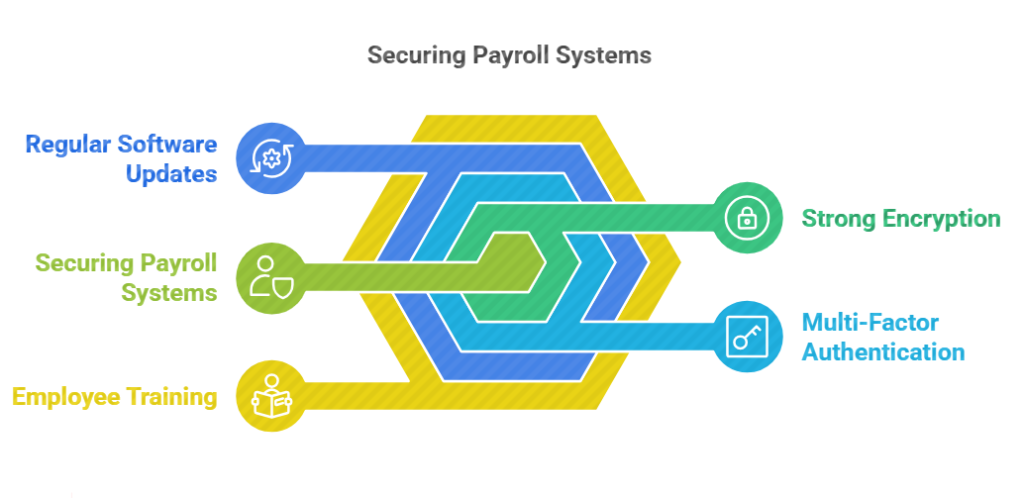
Securing payroll systems requires a combination of technical measures, employee training, and regular monitoring. Below are some of the best practices that businesses should follow to protect sensitive payroll data:
Use Strong Encryption
Encrypting payroll data ensures that even if hackers intercept the information, they cannot read it without the decryption key. Encryption is vital for protecting both stored data (data at rest) and data being transmitted (data in transit). It acts as a barrier between your payroll system and any unauthorized users.
Implement Multi-Factor Authentication (MFA)
MFA requires employees to verify their identity using two or more methods before they can access the payroll system. This makes it much harder for hackers to gain access, even if they manage to steal an employee’s password. MFA could involve a combination of something you know (password), something you have (a phone or token), or something you are (biometric data like fingerprints).
Regular Software and System Updates
Cybercriminals often target vulnerabilities in outdated software. Make sure that all payroll software is regularly updated with the latest security patches. This will help prevent potential cyberattacks that exploit old vulnerabilities.
Employee Training on Data Security
Employees must be educated on how to identify phishing attempts, create strong passwords, and recognize suspicious activities. A well-trained workforce can serve as the first line of defence against cyber threats.
Key Security Measures to Protect Payroll Systems
| Security Measure | Description |
|---|---|
| Data Encryption | Protects sensitive payroll data from being intercepted. |
| Multi-Factor Authentication | Adds a layer of security to employee access. |
| Regular System Updates | Keeps payroll software secure from known vulnerabilities. |
| Employee Training | Helps employees recognize and prevent potential threats. |
Note: Employees should be trained regularly to stay updated on the latest security threats.
👉You May Also Read: How Much Does ADP Payroll Cost
How Can You Choose the Right Payroll Software?
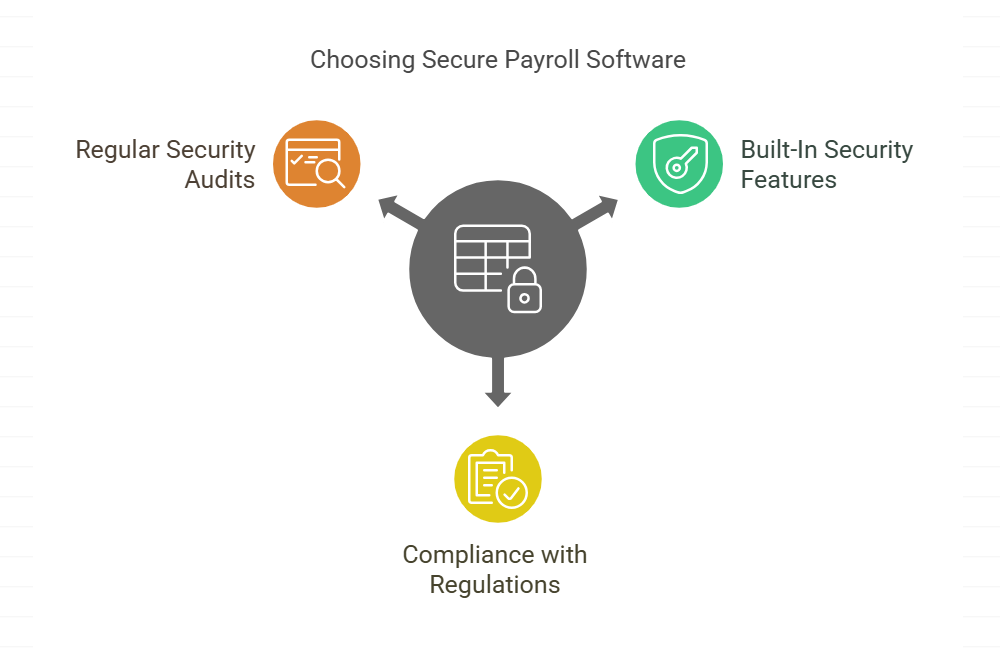
Choosing the right payroll software is a crucial decision for protecting your business and employees. When selecting a system, make sure it offers strong security features. Here are some key factors to consider:
Look for Software with Built-In Security Features
Many payroll systems offer built-in encryption, multi-factor authentication, and role-based access controls. These features help restrict access to sensitive payroll data only to authorized individuals.
Check for Compliance with Data Protection Regulations
Ensure that the payroll software complies with data protection laws such as GDPR (General Data Protection Regulation) and CCPA (California Consumer Privacy Act). These laws require businesses to implement strong data protection measures.
Opt for Payroll Software with Regular Security Audits
Choose payroll software that undergoes regular security audits to identify vulnerabilities and improve security. A reliable provider will conduct routine checks to ensure that your payroll system remains secure.
What Are the Benefits of Outsourcing Payroll to a Trusted Provider?
Managing payroll in-house can be challenging, especially for small and medium-sized businesses. Outsourcing payroll to a trusted provider can reduce the risks associated with data security. Payroll providers have specialized teams that focus on ensuring the security of your sensitive data.
When choosing a payroll provider, consider their security certifications, such as SOC 2 (System and Organization Controls) or ISO 27001. These certifications ensure that the provider follows industry best practices for data security.
Benefits of Outsourcing Payroll:
- Access to specialized security resources
- Reduced risk of human error
- Compliance with regulations
- Better scalability as your business grows
FAQs
What is payroll data security?
Payroll data security involves protecting sensitive employee information, such as names, Social Security numbers, and bank account details, from unauthorized access, theft, or misuse.
Why is data security important in payroll systems?
Data security is essential because payroll systems store personal and financial data. If this information is compromised, it can lead to financial fraud, identity theft, legal consequences, and reputational damage.
How can multi-factor authentication help secure payroll data?
Multi-factor authentication adds an extra layer of security by requiring employees to verify their identity using more than one method, making it harder for hackers to access sensitive payroll systems.
What should I look for when choosing payroll software?
Look for payroll software with strong encryption, multi-factor authentication, regular security audits, and compliance with data protection regulations like GDPR and CCPA.
Can outsourcing payroll improve data security?
Yes, outsourcing payroll to a trusted provider can reduce risks by offering access to specialized security resources and ensuring compliance with industry security standards.
Conclusion
Data security in payroll systems is not just a luxury—it’s a necessity. With the increase in cyberattacks and remote work, businesses need to take proactive measures to protect sensitive payroll data. By using strong encryption, implementing multi-factor authentication, regularly updating systems, and choosing the right software, businesses can safeguard their payroll systems.
This post contains affiliate links. I may earn a commission if you make a purchase through them, at no extra cost to you.