Are you struggling to choose between content marketing and social media marketing for your business? You’re not alone.
Both are powerful tools, but they serve different purposes and deliver unique results. Understanding how they differ—and how they work together—can unlock your brand’s true potential. You’ll discover the key differences between content marketing and social media marketing, and learn how to use each strategy to attract, engage, and grow your audience effectively.
Keep reading to find out which approach fits your goals best and how combining them can boost your success like never before.
Content Marketing Basics
Content marketing is the art of creating and sharing useful information. It helps attract and keep a clear audience. The goal is to provide value through different types of content. This builds trust and makes people come back for more.
It focuses on long-term relationships, unlike quick social media posts. Content marketing uses various formats to reach and educate readers. The strategy supports brand growth and customer loyalty over time.
Long-form Content Types
Long-form content includes detailed and in-depth pieces. Examples are blog posts, articles, and eBooks. White papers and case studies also fit here. These types offer thorough information on a subject. They help explain complex ideas clearly. Videos that last more than a few minutes belong here too. Such content keeps readers engaged longer and builds authority.
Goals And Benefits
The main goal is to build trust with the audience. It creates a strong brand presence over time. Content marketing helps educate potential customers. This makes them more likely to buy or follow your brand. It also improves customer loyalty and repeat visits. Businesses gain credibility by sharing helpful and relevant content. This approach reduces reliance on paid ads.
Seo And Lead Generation
Content marketing supports SEO by using keywords naturally. It improves website rankings in search engines. Higher rankings bring more organic traffic. This traffic consists of people interested in your topic. Quality content encourages visitors to stay longer. It also increases chances of converting visitors into leads. Lead generation happens by offering useful content in exchange for contact info. This process grows your email list and potential customers.
Social Media Marketing Essentials
Social media marketing uses platforms to promote brands and connect with audiences. It focuses on creating quick, engaging content that encourages users to interact. The goal is to build a loyal community and increase brand visibility fast.
Success depends on understanding each platform and how users behave there. Marketers must tailor content and communication styles to fit each channel. Tracking key metrics helps to measure impact and improve strategies.
Platform-specific Content
Different social media platforms attract different audiences. Content that works on Instagram may not work on LinkedIn. Instagram favors images and short videos, while LinkedIn is better for articles and professional updates.
Creating content that matches each platform’s style improves engagement. Use bright visuals on Facebook and quick, catchy captions on Twitter. Adjust tone and format to fit user expectations on each channel.
Engagement And Interaction
Social media is about two-way communication. Brands must respond to comments and messages quickly. Interaction builds trust and encourages followers to stay connected.
Use questions, polls, and calls to action to invite participation. Engaging content sparks conversations and increases visibility through shares and replies. Consistent interaction helps grow a loyal audience.
Metrics To Track
Tracking metrics shows what works and what does not. Key metrics include likes, shares, comments, and follower growth. Impressions and click-through rates reveal how many see and act on your posts.
Analyze data regularly to refine your approach. High engagement rates indicate content resonates with your audience. Low interaction may signal a need to adjust content type or timing.
Key Differences
Understanding the key differences between content marketing and social media marketing helps choose the right strategy. Both serve unique purposes and offer distinct benefits. Knowing these differences improves marketing results and audience connection.
Content Focus Vs Platform Focus
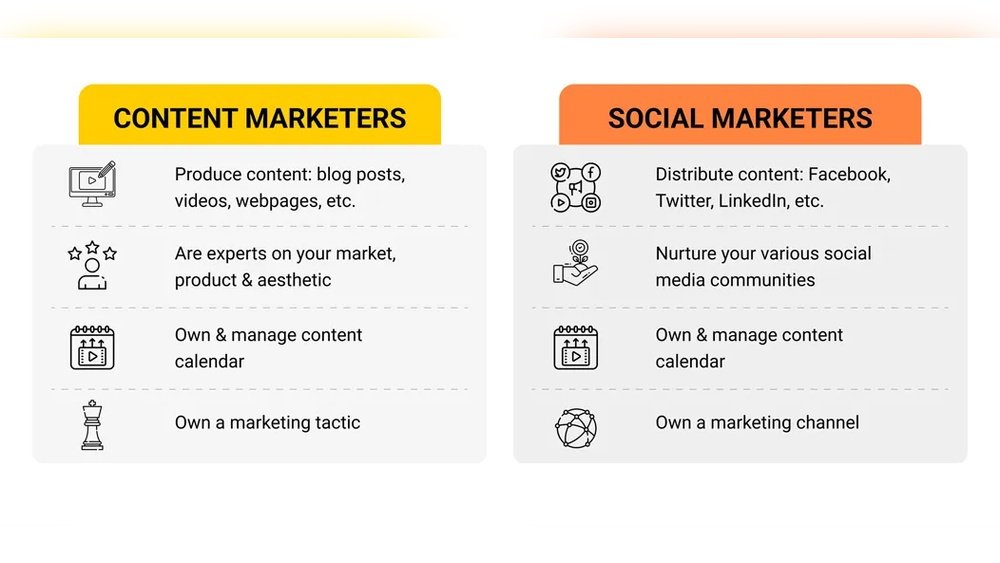
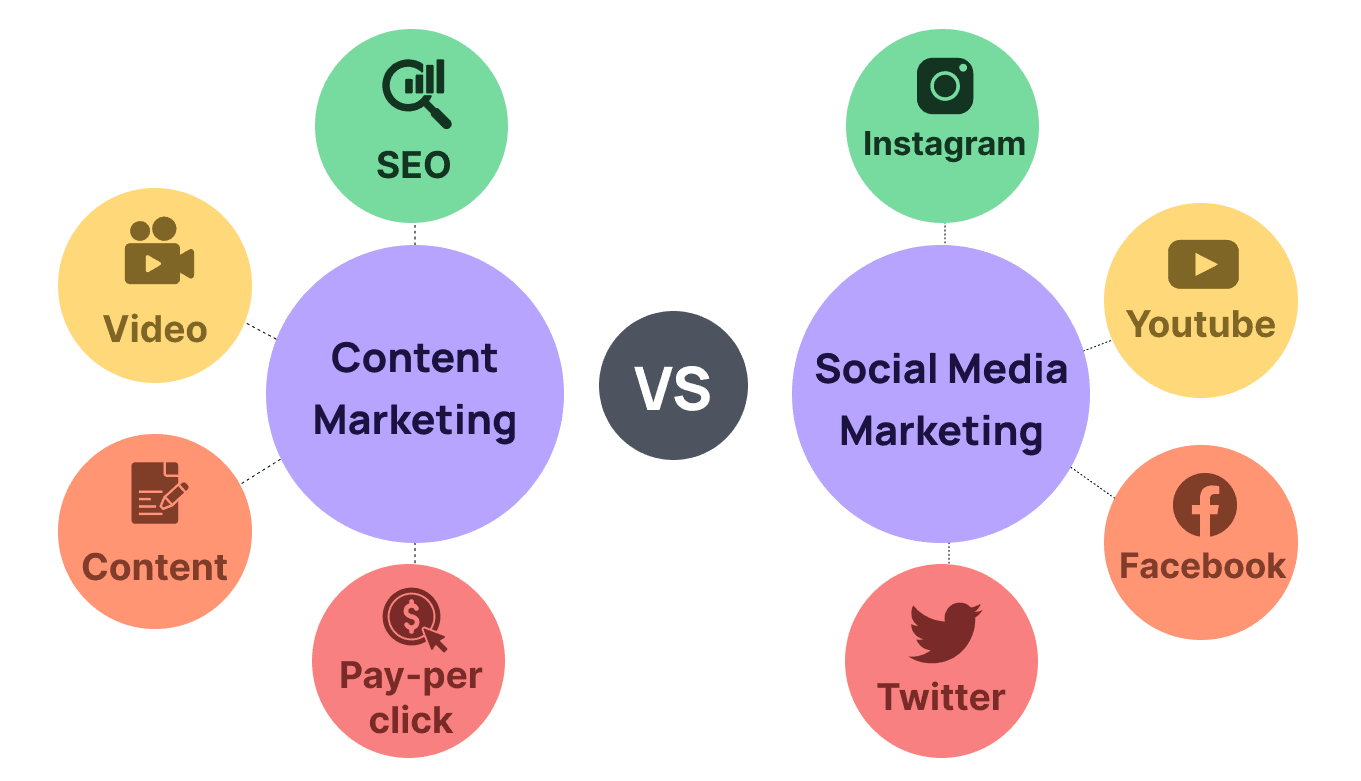
Content marketing centers on creating valuable and informative content. It focuses on blogs, videos, and guides that educate the audience. Social media marketing targets platforms like Facebook, Instagram, and Twitter. It focuses on sharing content and engaging with users directly on these channels.
Short-term Vs Long-term Impact
Content marketing builds trust and authority over time. Its effects grow slowly but last longer. Social media marketing drives quick engagement and immediate reactions. It creates fast awareness but needs constant updates to stay effective.
Audience Reach And Engagement
Content marketing attracts audiences through search engines and shares. It aims for deep, meaningful connections with readers. Social media marketing reaches a broad audience quickly. It encourages likes, comments, and shares to boost visibility and interaction.
How They Complement Each Other
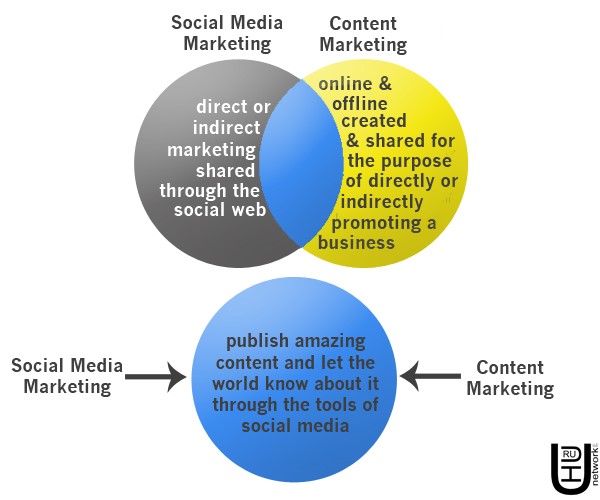
Content marketing and social media marketing work best as partners. They support each other to create stronger marketing results. Content marketing builds the foundation with valuable information. Social media marketing then shares this content and encourages conversations. Together, they help brands reach more people and keep them interested.
Content Creation And Distribution
Content marketing focuses on creating useful and in-depth materials. These include blogs, eBooks, and videos that teach or entertain. Social media marketing takes this content and shares it across platforms. It spreads the message quickly to a wide audience. Social channels also tailor content into shorter, engaging posts. This makes the content easier to consume and share.
Boosting Reach And Interaction
Social media marketing helps content reach more people fast. It uses likes, shares, and comments to increase visibility. These interactions bring new viewers to the original content. Content marketing provides the detailed information that keeps visitors interested. This combination grows both immediate engagement and long-term trust. It helps brands connect with their audience on many levels.
Feedback And Adaptation
Social media offers real-time feedback from the audience. Marketers learn what content works by watching reactions and comments. This data helps content marketers improve their future work. They can create content that better fits audience needs. The process creates a cycle of constant improvement. Both strategies evolve together, making marketing smarter and more effective.
Choosing The Right Strategy
Choosing the right strategy between content marketing and social media marketing is essential for business success. Each approach serves different purposes and suits different needs. Understanding your business and audience helps you decide which path to follow. This section breaks down key factors to consider for making the best choice.
Business Goals Alignment
Start by defining your main business goals. Content marketing suits goals like building trust and educating customers. It helps improve search engine rankings and attracts organic traffic over time. Social media marketing fits goals such as increasing brand awareness quickly and engaging directly with customers. Choose the strategy that matches your current objectives clearly.
Resource Allocation
Consider how much time and money you can invest. Content marketing requires consistent effort to create quality articles, videos, or guides. It needs skilled writers and editors. Social media marketing demands frequent posts and quick responses. It needs creativity and active management. Pick the strategy your team can support well and sustain regularly.
Industry And Audience Considerations
Your industry type influences the best marketing approach. Some fields benefit from detailed content like blogs and white papers. Others thrive on fast, visual social media updates. Also, study your audience habits. If they spend more time on social platforms, social media marketing works better. If they prefer reading and researching, content marketing is more effective.
Common Mistakes To Avoid
Many businesses mix content marketing and social media marketing without clear planning. This causes common mistakes that limit success. Avoiding these errors improves reach and engagement. Here are key pitfalls to watch out for.
Overreliance On One Channel
Focusing all efforts on a single platform reduces visibility. Different audiences prefer different channels. Content marketing needs multiple outlets like blogs, emails, and social media. Social media marketing also requires diverse platforms. Relying on one channel risks missing potential customers and limits growth.
Neglecting Quality Content
Posting frequently without good content hurts your brand. Low-quality posts fail to attract or retain viewers. Content marketing demands valuable, well-researched material. Social media posts should be clear, relevant, and engaging. Quality content builds trust and encourages sharing. Avoid shortcuts that sacrifice value.
Ignoring Analytics
Many marketers skip reviewing data regularly. Analytics reveal what works and what does not. Content marketing needs tracking of traffic, bounce rates, and conversions. Social media marketing requires monitoring likes, shares, and comments. Ignoring analytics means missing chances to improve strategy and results.
Tools And Techniques
Tools and techniques shape how content marketing and social media marketing deliver value. They help create, manage, and measure marketing efforts effectively. Choosing the right tools boosts productivity and improves results.
Content Creation Tools
Content marketing relies on tools that help produce high-quality material. Writing apps like Grammarly and Hemingway improve grammar and clarity. Graphic design tools such as Canva and Adobe Spark create visuals and infographics. Video editing tools like Adobe Premiere Pro and iMovie make engaging videos. These tools support creating blogs, eBooks, and other long-form content.
Social Media Management Platforms
Social media marketing uses platforms to schedule, post, and manage content across networks. Tools like Hootsuite and Buffer allow users to post on multiple channels simultaneously. They help monitor conversations and respond quickly to followers. Platforms like Sprout Social offer features for team collaboration and audience engagement. These tools keep social media campaigns organized and efficient.
Analytics And Reporting
Tracking success is vital in both marketing types. Google Analytics measures website traffic and user behavior from content marketing. Social media platforms provide built-in analytics for engagement, reach, and follower growth. Tools like HubSpot and SEMrush combine data from multiple sources for deeper insights. Reporting helps marketers adjust strategies based on real results.

Future Trends
The future of marketing blends content and social media strategies. Trends show a shift toward smarter, more engaging, and personalized approaches. These changes will shape how brands connect with audiences. Marketers will need to adapt quickly to stay relevant and effective.
Ai And Automation
AI is changing marketing fast. It helps create content tailored to audience needs. Automation handles tasks like posting and analyzing data. This saves time and increases accuracy. Marketers can focus more on strategy and creativity. AI tools also predict trends and customer behavior. This leads to smarter decisions and better results.
Video And Interactive Content
Video content is growing in popularity. It grabs attention and keeps viewers engaged. Interactive content like quizzes and polls boosts user involvement. These formats make marketing more fun and memorable. Short videos work well on social media platforms. Brands use stories and live streams to connect instantly. Visual content will dominate future campaigns.
Personalization And Community Building
Personalized content speaks directly to individual interests. It builds trust and loyalty over time. Social media helps brands create strong communities. These groups share ideas and support each other. Community building leads to lasting relationships and brand advocacy. Brands that listen and respond gain a real advantage. Personal connections will drive marketing success.
Frequently Asked Questions
What Is The Difference Between Social Marketing And Content Marketing?
Content marketing creates valuable content to attract and educate audiences long-term. Social marketing uses social platforms to engage and promote content instantly. Content marketing is the “what,” while social marketing is the “where” to distribute and interact with audiences. Both strategies complement each other.
What Is The Difference Between Social Media And Content Media?
Social media uses platforms like Facebook to engage audiences instantly. Content media creates valuable materials like blogs to educate and build trust long-term. Social media distributes and promotes content media, while content media provides the substance for social media marketing.
Both work together for effective marketing.
What Is The Difference Between Marketing And Content Marketing?
Marketing promotes products or services broadly. Content marketing focuses on creating valuable content to attract and engage a target audience. Content marketing builds long-term trust, while marketing includes various tactics to drive sales and brand awareness.
What Are The 5 C’s Of Content Marketing?
The 5 C’s of content marketing are: Clear, Consistent, Compelling, Customer-focused, and Conversion-driven. These guide effective content strategies.
Conclusion
Content marketing and social media marketing serve different but linked purposes. Content marketing builds trust and authority with detailed, valuable information. Social media marketing spreads this content quickly and engages with the audience directly. Combining both strategies helps businesses reach more people and create stronger connections.
Each has unique strengths that support overall marketing success. Use content to inform and social media to interact and share. This balanced approach improves brand visibility and customer loyalty over time.
This post contains affiliate links. I may earn a commission if you make a purchase through them, at no extra cost to you.