Are you struggling to make your content stand out and actually bring results? Creating a clear content marketing strategy is your key to attracting the right audience and turning them into loyal customers.
In this guide, you’ll discover simple, step-by-step actions you can take to plan, create, and share content that truly connects with your audience. By the end, you’ll have a solid plan that saves time, boosts engagement, and drives real business growth.
Ready to transform your content approach and see measurable success? Let’s dive in.
Identify Target Audience
Identifying your target audience is the first step in building a strong content marketing strategy. Knowing who you want to reach helps tailor your content to their needs. It increases the chances that your message will connect and inspire action.
Start by understanding the people most likely to benefit from your product or service. This focus guides your content topics, style, and distribution channels. It avoids wasting time and resources on content that does not engage the right audience.
Create Buyer Personas
Buyer personas are fictional profiles representing your ideal customers. They include basic details like age, job, and location. They also cover goals, challenges, and preferences. Building these personas helps you imagine who reads your content and what they want.
Gather data from customer surveys, interviews, and website analytics. Look for patterns in behavior and interests. Use this information to craft clear personas that your whole team can use. Personas keep your content focused and relevant.
Analyze Customer Needs And Interests
Understanding your audience’s needs is key to useful content. What problems do they want to solve? What questions do they ask? What topics excite them? Answering these helps you create content that feels helpful and interesting.
Check social media comments, forums, and reviews to find common themes. Study competitors’ content to spot gaps you can fill. Use keyword research to see what terms your audience searches for. Tailor your content to meet these needs and build trust.
Set Clear Goals
Setting clear goals is the foundation of a strong content marketing strategy. Goals give your efforts direction and purpose. They help you focus on what matters most and measure your progress. Without clear goals, your content may lack focus and fail to deliver results.
Clear goals also improve team alignment. Everyone knows what to aim for and can work together efficiently. This clarity saves time and resources while increasing your chances of success.
Define Smart Objectives
Use the SMART framework to set your goals. SMART stands for Specific, Measurable, Attainable, Relevant, and Time-bound. This approach makes goals clear and realistic.
Specific goals answer who, what, where, and why questions. Measurable goals track progress with numbers or data. Attainable goals are realistic and within reach. Relevant goals align with your overall business needs. Time-bound goals have a clear deadline.
For example, instead of saying “increase website traffic,” say “increase website traffic by 20% in six months.” This goal is clear and easy to track.
Align Goals With Business Outcomes
Content marketing goals must support your business objectives. Whether it is growing sales, boosting brand awareness, or increasing customer loyalty, your content should serve these aims.
Aligning goals ensures every piece of content has a purpose. It helps prioritize tasks that bring the most value. This connection also makes it easier to justify your marketing budget.
Check your goals regularly to ensure they stay aligned with changing business needs. Adjust as needed to maintain focus and effectiveness.
Research And Plan Topics
Researching and planning topics is the first step in building a strong content marketing strategy. It helps you create content that your audience wants to read. Careful topic planning also keeps your content focused and relevant.
Start by understanding what your audience searches for online. This insight guides your topic choices and improves your content’s visibility in search engines. Planning topics ahead keeps your content calendar full and consistent.
Conduct Keyword Research
Keyword research finds the words people use to search for information. Use tools like Google Keyword Planner or Ubersuggest to find popular and relevant keywords. Focus on keywords with good search volume and low competition.
Include long-tail keywords. They are specific and easier to rank for. Keywords help you understand what questions your audience has. Use them to guide your content topics and titles.
Brainstorm Relevant Themes
Think about broad themes that match your brand and audience interests. Group related keywords into these themes. For example, if you sell fitness products, themes could be workouts, nutrition, and wellness.
Use customer feedback and common questions to find ideas. Mix evergreen topics with trending ones to keep your content fresh. This method helps you cover many angles and keeps readers engaged.

Map Content To Customer Journey
Mapping content to the customer journey is essential for effective marketing. It ensures your message reaches the right audience at the right time. Each stage of the journey requires different content types to move customers closer to a purchase.
Understanding the customer journey helps create targeted content. This approach builds trust and improves engagement. It guides potential buyers from learning about your brand to making a decision.
Awareness Stage Content
At the awareness stage, customers realize they have a problem or need. Content should focus on education and information. Blog posts, how-to guides, and social media updates work well here.
Use simple language and clear examples. The goal is to attract attention and introduce your brand. Avoid pushing sales too early, as this may turn people away.
Consideration Stage Content
During consideration, customers compare options and seek solutions. Provide detailed content like case studies, webinars, and product comparisons. This helps customers evaluate your offerings.
Show benefits and features clearly. Use testimonials and expert opinions to build credibility. Aim to answer common questions and reduce doubts.
Decision Stage Content
The decision stage is when customers are ready to buy. Content should focus on closing the sale. Offer free trials, demos, discounts, or consultations.
Make the buying process simple and clear. Include strong calls to action. Reinforce trust with guarantees and positive reviews.
Choose Content Formats
Choosing the right content formats is essential for a content marketing strategy. Different formats engage audiences in unique ways. Selecting formats that fit your goals and audience habits boosts your content’s impact.
Consider how your audience prefers to consume information. Some like reading, others prefer watching or visual content. Offering varied formats can reach more people effectively.
Blog Posts And Articles
Blog posts and articles are great for sharing detailed information. They help explain topics clearly and improve your website’s SEO. Writing useful, easy-to-read posts builds trust and keeps visitors coming back.
Use keywords naturally and focus on topics your audience cares about. Short paragraphs and clear headings make reading easier. Regularly updated blogs show your expertise and keep content fresh.
Videos And Webinars
Videos and webinars capture attention quickly. They are perfect for showing how-tos, product demos, or expert talks. Videos can explain complex ideas simply and make your brand feel more personal.
Webinars allow real-time interaction, helping to answer audience questions. Use clear visuals and a friendly tone. Keep videos short and focused to hold viewers’ interest.
Infographics And Case Studies
Infographics turn data and facts into easy-to-understand visuals. They make sharing statistics and step-by-step processes simple. People often share infographics on social media, increasing your reach.
Case studies tell stories about real customers and results. They build credibility by showing how your product or service solves problems. Use clear examples and highlight benefits in each case study.
Select Distribution Channels
Selecting the right distribution channels is key to reaching your audience effectively. Each channel offers unique ways to share your content. Focus on platforms where your audience spends time. This approach increases engagement and boosts your content’s impact.
Choose channels that match your content type and marketing goals. Start with a few channels to manage resources well. Track performance to adjust your strategy as needed.
Social Media Platforms
Social media platforms connect you directly with your audience. Use Facebook, Instagram, LinkedIn, or Twitter based on your audience profile. Share posts, videos, and stories to increase brand awareness. Engage with followers by responding to comments and messages. Regular posting helps build a loyal community over time.
Email Marketing
Email marketing delivers content straight to your audience’s inbox. Send newsletters, promotions, and updates to keep subscribers informed. Personalize emails to increase open and click rates. Segment your list to target different groups with relevant content. Consistent emails build trust and encourage repeat visits.
Company Blog
A company blog hosts your content in one place. Publish articles, how-tos, and news that interest your audience. Optimize posts with keywords to improve search engine ranking. Blogs support long-term engagement by providing valuable information. Share blog links on social media and in emails to boost traffic.
Create Content Calendar
Creating a content calendar helps keep your marketing organized and consistent. It acts as a roadmap for your content creation and publication. A clear calendar ensures you deliver content regularly to engage your audience. It also helps balance different topics and formats over time.
Using a content calendar reduces last-minute stress. It allows time for research, writing, editing, and promotion. With a plan, your team knows what to create and when to publish. This leads to better quality and more impactful content.
Plan Topics And Formats
Start by listing content topics that match your audience’s interests. Focus on subjects that solve problems or answer questions. Vary your content formats to keep your audience interested. Mix blog posts, videos, infographics, and social media updates.
Choose formats based on what your audience prefers and what suits your message. For example, use videos for tutorials and blog posts for detailed guides. Plan themes for each week or month to maintain focus.
Schedule Publishing Dates
Assign specific dates to each piece of content in your calendar. Consistency matters; set a steady publishing rhythm. This helps your audience expect and look forward to your content.
Consider timing for special events, holidays, or product launches. Spread out content to avoid overcrowding any single day. Use scheduling tools to automate publishing and track deadlines.
Build Content Team
Building a strong content team is vital for a successful content marketing strategy. A good team ensures quality content creation and smooth workflow. The team should have diverse skills to handle different tasks. Collaboration among team members brings fresh ideas and improves results.
Identify Required Skills
Start by listing the skills needed for your content goals. Writing and editing are basic but essential skills. Graphic design helps create appealing visuals. SEO knowledge ensures content ranks well on search engines. Social media skills help promote content effectively. Project management keeps everything on track. Choose team members with a mix of these skills to cover all bases.
Collaborate Across Departments
Content success depends on input from many parts of your company. Work closely with sales to understand customer questions and objections. Product teams offer details that make content accurate and useful. Marketing can share insights on trends and audience behavior. Collaboration breaks down silos and creates a unified message. Regular meetings encourage open communication and idea sharing.
Measure And Analyze Results
Measuring and analyzing results is a vital part of any content marketing strategy. It helps you understand what works and what needs improvement. Without tracking performance, you cannot make informed decisions or optimize your efforts.
Effective measurement reveals how your audience interacts with your content. It shows which pieces drive traffic, engagement, and conversions. This insight allows you to focus on strategies that deliver real value to your business.
Set Key Performance Indicators
Key Performance Indicators (KPIs) are specific metrics that track your content goals. Choose KPIs that match your objectives, like website visits, time on page, or lead generation. Clear KPIs provide a benchmark to measure success and progress over time.
Use Analytics Tools
Analytics tools collect data on how users engage with your content. Google Analytics, for example, shows traffic sources and user behavior. Use these tools to monitor trends, identify top-performing content, and spot areas needing improvement.
Link Content To Business Metrics
Connect content performance to business results such as sales, sign-ups, or customer retention. This link helps prove the value of your marketing efforts. Aligning content with business goals ensures your strategy supports overall growth and revenue.
Refine And Improve Strategy
Refining and improving your content marketing strategy keeps it effective and relevant. A strategy is not a one-time task. It evolves with your audience and business needs. Regular updates help you stay aligned with your goals. Focus on gathering valuable feedback and analyzing data to make smart changes.
Gather Feedback
Collect feedback from your audience through surveys, comments, and direct messages. Listen to what they like and dislike about your content. Ask your team for input on what works and what needs improvement. Feedback reveals gaps and new opportunities. Use it to make your content more engaging and useful.
Adjust Based On Data Insights
Track performance metrics like views, shares, and conversions. Use tools like Google Analytics to see which content performs best. Identify patterns and trends in user behavior. Adjust your topics, formats, and publishing times accordingly. Data-driven changes improve your strategy’s impact and help meet your goals faster.
Frequently Asked Questions
What Are The 5 C’s Of Content Marketing?
The 5 C’s of content marketing are Clear goals, Customer focus, Consistent content, Channel selection, and Continuous measurement. These guide effective strategy and audience engagement.
What Is The 70 20 10 Rule In Content Marketing?
The 70 20 10 rule in content marketing allocates 70% to core content, 20% to related content, and 10% to experimental ideas. This balance boosts engagement and innovation.
What Are The 7 Steps In Creating A Content Strategy?
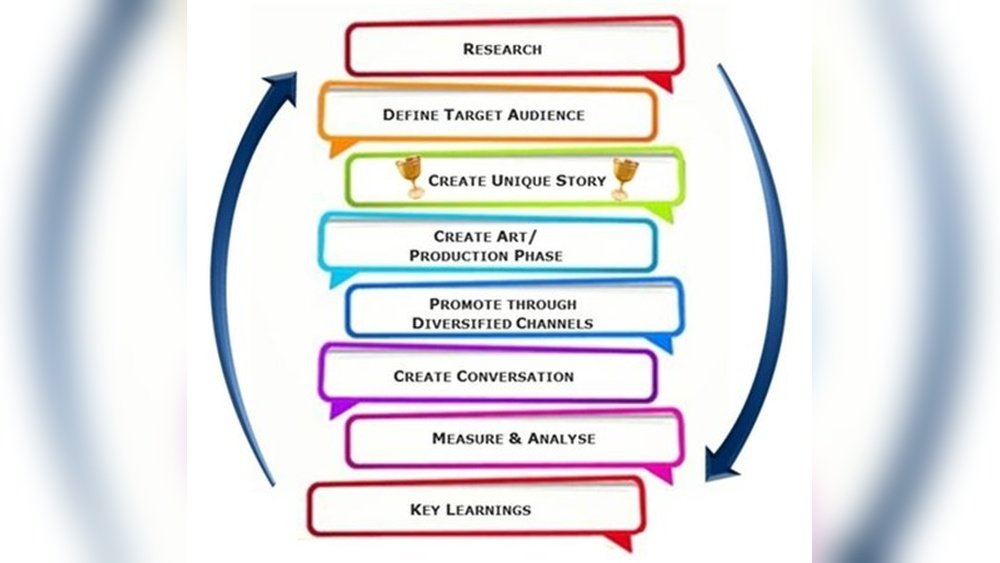
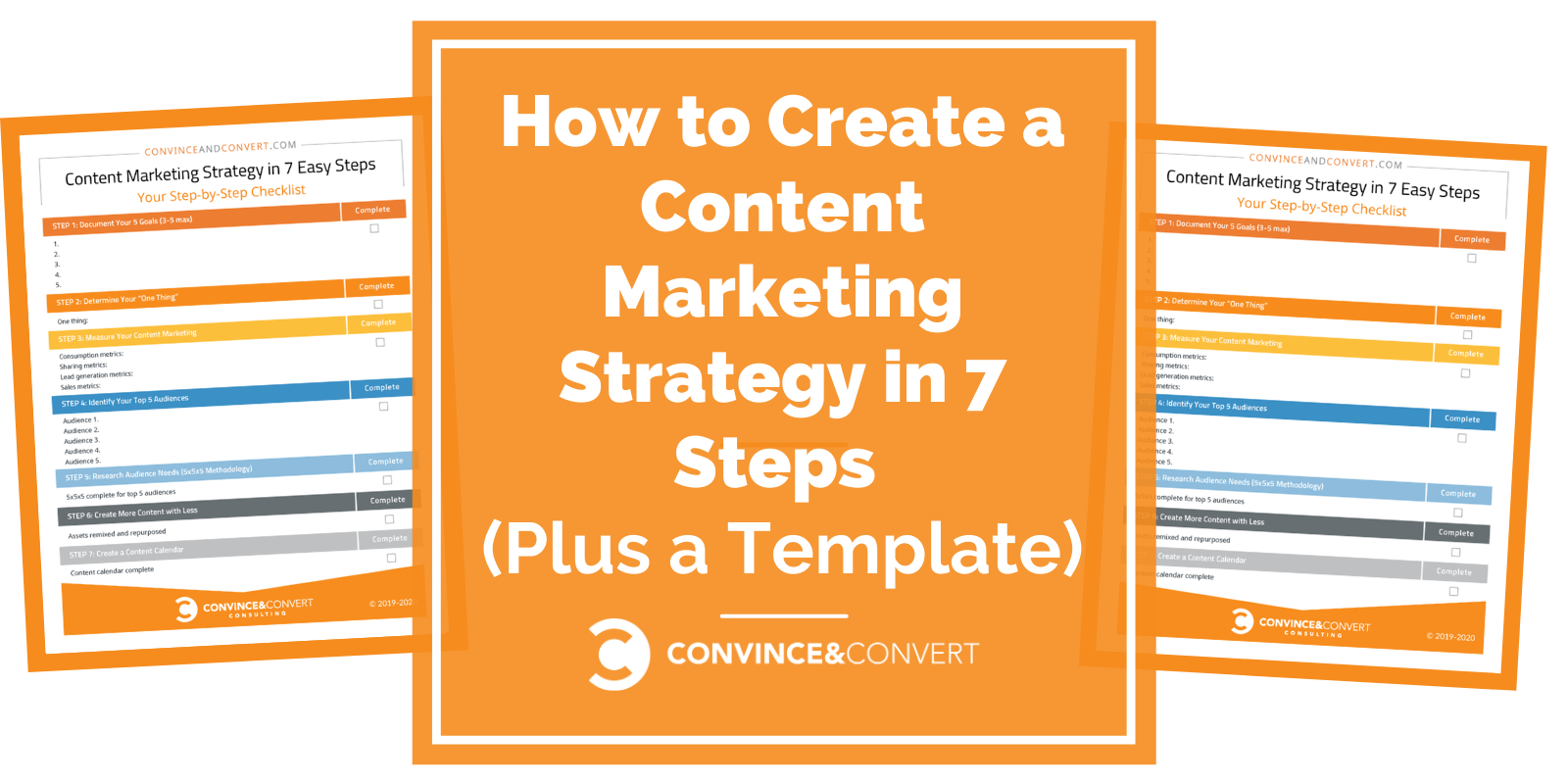
The 7 steps to create a content strategy are: define your audience, set clear goals, research topics, map content to the funnel, choose formats, select channels, and create a content calendar.
What Is The 3 3 3 Rule In Marketing?
The 3 3 3 rule in marketing means sharing three pieces of content from others, three of your own, and engaging for three minutes daily. This balances promotion, value, and interaction to build relationships and trust with your audience.
Conclusion
Creating a content marketing strategy takes clear steps and focus. Know your audience well and set simple goals. Plan topics that match their needs and choose the best formats. Use a calendar to keep your schedule steady. Work with others to make your content stronger.
Track your results to improve each time. A good strategy grows with your business and helps you reach more people. Keep learning and adjusting as you go. Consistency and care make your content stand out.