Are you struggling to get your small business noticed online? You’re not alone.
With so many businesses competing for attention, simply posting content isn’t enough anymore. What if you could use proven content marketing strategies that actually attract your ideal customers and turn them into loyal fans? You’ll discover practical, easy-to-apply tips designed specifically for small businesses like yours.
By the end, you’ll have a clear plan to boost your reach, build trust, and grow your sales—without wasting time or money on tactics that don’t work. Ready to unlock the power of smart content marketing? Let’s dive in.
Audience Targeting
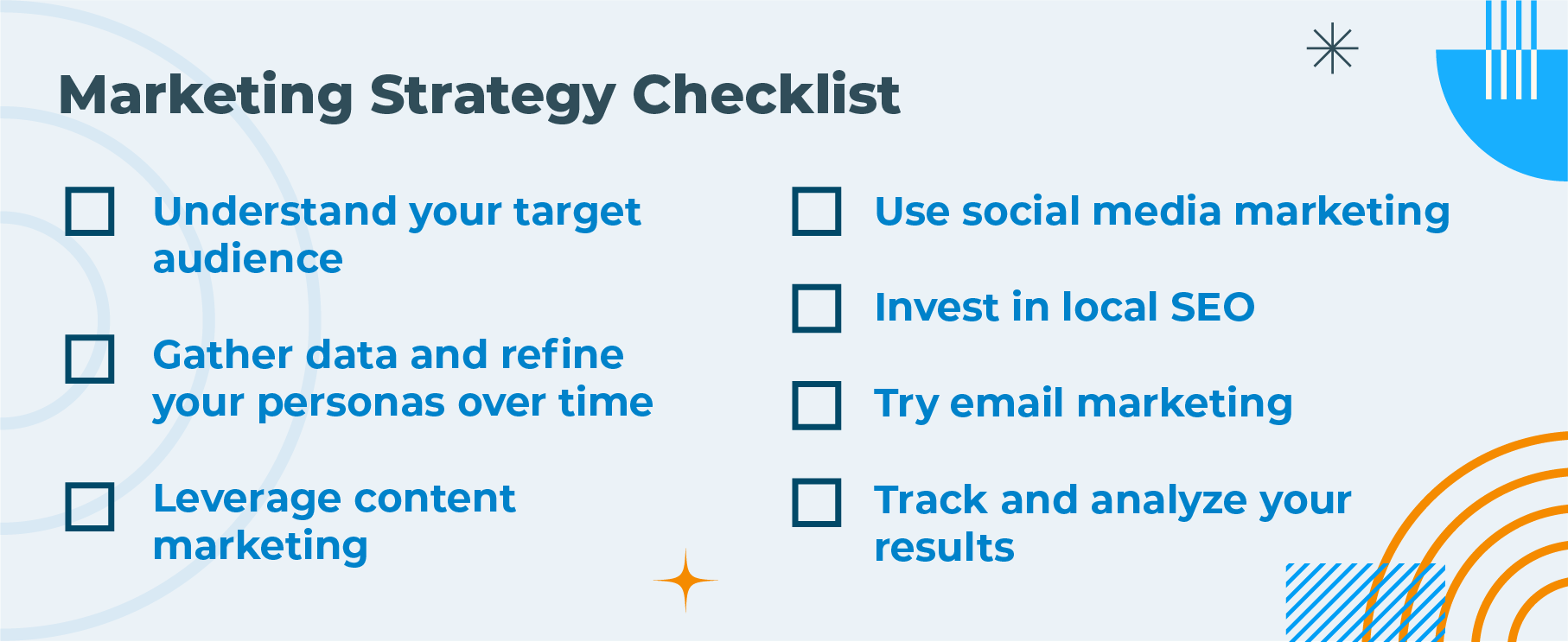
Audience targeting plays a key role in content marketing for small businesses. It helps you reach the right people with the right message. By understanding your audience, you can create content that speaks directly to their needs and interests. This leads to better engagement and higher chances of converting visitors into customers.
Identify Customer Personas
Start by creating detailed customer personas. These are profiles of your ideal customers. Include age, gender, location, job, and interests. Think about their problems and what solutions they seek. Personas help you tailor your content to match your audience’s preferences. They make your marketing more focused and effective.
Analyze Local Market Needs
Understand the needs of your local market. Research trends and challenges specific to your area. Check what your competitors offer and find gaps you can fill. Local market analysis allows you to create content that appeals directly to your community. This builds trust and strengthens your brand presence locally.
Segment Audience By Behavior
Group your audience based on their behavior and actions. Look at how they interact with your website and social media. Identify frequent visitors, new users, and buyers. Tailor content for each segment to increase relevance. Behavioral segmentation improves user experience and boosts engagement rates.
Goal Setting
Setting clear goals is the first step in any content marketing plan. Without defined targets, efforts can scatter and lose impact. Goals help focus your content, guide your actions, and show progress over time.
Effective goal setting allows small businesses to use resources wisely. It ensures each piece of content has a purpose. This section explains how to set strong goals that fit your business needs.
Define Clear Objectives
Start by deciding what you want to achieve with your content. Objectives could be growing website traffic, increasing sales, or building brand awareness. Make these goals specific and easy to understand. Clear objectives create a roadmap for your marketing efforts.
Align Content With Business Goals
Your content should support your overall business aims. If your goal is to boost sales, create content that highlights product benefits. For brand awareness, focus on storytelling and customer engagement. Aligning content keeps your strategy consistent and effective.
Measure Success Metrics
Track key numbers to see if your goals are met. Common metrics include page views, shares, and conversion rates. Use tools like Google Analytics to gather data. Measuring success helps adjust your strategy and improve results over time.
Content Planning
Content planning is the foundation of any successful content marketing strategy. For small businesses, careful planning helps save time and resources. It ensures that every piece of content serves a clear purpose and reaches the right audience. A solid plan makes your marketing consistent and focused.
Choose Relevant Topics
Select topics that matter to your target customers. Think about their questions, problems, and interests. Use simple language and focus on local or niche issues your business can solve. Relevant topics attract the right visitors and keep them engaged with your brand.
Develop Content Themes
Create broad themes that connect several related topics. Themes help organize your content and make it easier to plan ahead. They also build your brand’s voice and authority in specific areas. For example, a bakery can have themes like recipes, baking tips, and local events.
Create An Editorial Calendar
Plan your content schedule with an editorial calendar. It shows when and where you will publish each piece. This tool keeps your team on track and avoids last-minute stress. A calendar also helps balance different content types and themes throughout the month.
Content Creation
Creating strong content is key for small businesses. It helps attract customers and builds trust. Good content shares useful information and shows your brand’s personality. Focus on making content that truly helps your audience.
Small businesses often have limited time and resources. So, creating quality content is better than making lots of low-value posts. Each piece should have a clear purpose and offer real value.
Focus On Quality Over Quantity
Publishing fewer posts with great information works better than many weak ones. Quality content keeps readers interested and encourages them to return. It also improves your search engine ranking. Take time to research topics and check facts. Use clear language and fix errors. This builds your reputation as a reliable source.
Use Storytelling Techniques
Stories make your content more interesting and memorable. Share stories about your business journey or customer experiences. Use simple characters and clear messages. Stories help readers connect emotionally with your brand. They also explain complex ideas in an easy way. This boosts engagement and helps people remember your message.
Incorporate Case Studies And Testimonials
Case studies and testimonials show real results from your products or services. They build trust by proving your claims. Write case studies that explain the problem, solution, and outcome clearly. Use quotes from happy customers to add authenticity. This social proof helps convince potential buyers to choose you.
Content Formats
Choosing the right content formats helps small businesses connect with their audience. Different formats serve different purposes and attract varied users. Using a mix keeps content fresh and engaging. The following sections explore effective content types for small business marketing.
Blog Posts
Blog posts provide detailed information about products, services, or industry topics. They improve search engine rankings by targeting specific keywords. Well-written blogs establish authority and trust with readers. Posts can answer common questions, offer tips, and share news. Regular blogging drives consistent website traffic and builds customer loyalty.
Videos And Behind-the-scenes
Videos capture attention quickly and explain ideas clearly. Showing behind-the-scenes footage adds personality and builds trust. Customers enjoy seeing how products are made or how teams work. Short videos work well on social media and websites. Videos increase engagement and encourage sharing.
Infographics And Visual Content
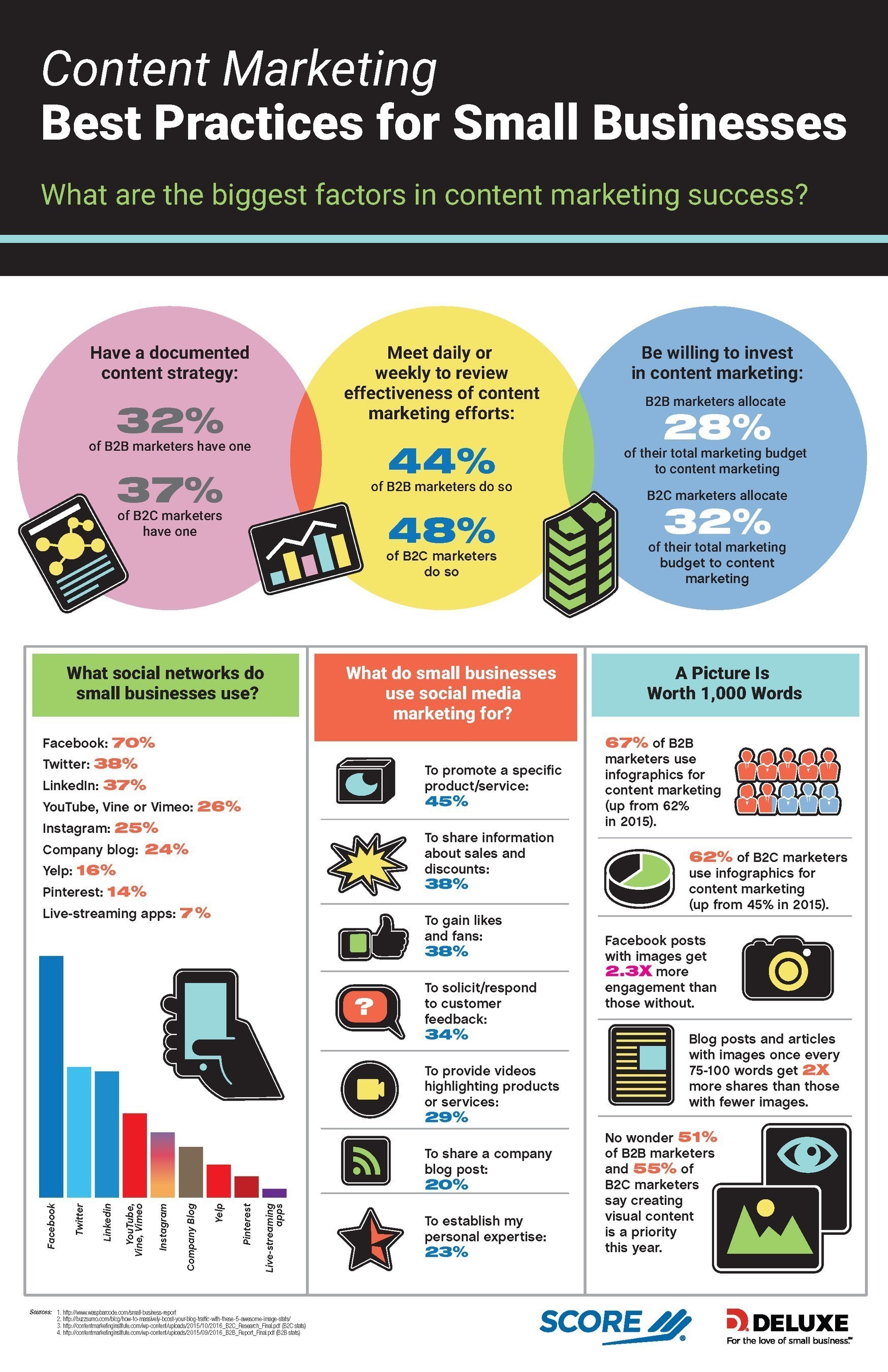
Infographics simplify complex information using visuals and concise text. They make data easy to understand and remember. Visual content attracts more views and shares on social media. Well-designed graphics improve brand recognition and interest. Using charts, icons, and images helps explain key points fast.
Content Distribution
Content distribution is vital for small businesses to reach their audience effectively. It ensures that valuable content gets seen and engages potential customers. Sharing content through multiple channels boosts visibility and drives traffic. A well-planned distribution strategy increases brand awareness and builds trust.
Leverage Social Media Channels
Social media platforms help small businesses share content widely. Choose channels where your audience spends time. Post regularly to keep followers engaged. Use images, videos, and stories to attract attention. Engage with comments to build relationships. Social media also allows sharing user-generated content, which adds credibility.
Use Email Marketing
Email marketing remains a strong tool for content distribution. Build an email list by offering valuable content or discounts. Send newsletters with helpful tips and updates. Personalize emails to make readers feel valued. Keep messages clear and concise for easy reading. Email helps maintain direct contact with interested customers.
Explore Paid Advertising Options
Paid ads can extend the reach of your content quickly. Use platforms like Google Ads or Facebook Ads to target specific audiences. Set a budget that fits your business size. Test different ad formats to see what works best. Monitor results and adjust campaigns to improve performance. Paid ads complement organic efforts and increase visibility.
Seo Strategies
SEO strategies help small businesses improve their online visibility. These techniques increase website traffic from search engines. Strong SEO brings more local customers and builds trust. Focused efforts on SEO create lasting benefits with steady growth.
Optimize Keywords For Local Search
Use keywords that match your city or neighborhood. Include phrases people use to find local services. Add these keywords in titles, descriptions, and content naturally. This approach helps your business appear in local search results. It connects you with customers nearby ready to buy.
Improve On-page Seo Elements
Ensure each webpage has a clear title and meta description. Use headings to organize content and include keywords. Add alt text to images describing them with relevant terms. Make URLs short and descriptive for better user experience. Fast loading speed and mobile-friendly design also boost rankings.
Build Quality Backlinks
Earn links from trustworthy websites related to your industry. Guest posting on local blogs and participating in community sites helps. Quality backlinks signal search engines that your site is reliable. Avoid low-quality or spammy links that can harm your ranking. Focus on building genuine relationships for natural link growth.
Engagement Techniques
Engagement techniques form the heart of content marketing for small businesses. They help build connections and keep audiences interested. Using simple, clear methods can boost interaction and trust. This section highlights effective ways to engage your audience and grow your brand.
Encourage User Interaction
Invite your audience to share their thoughts or experiences. Ask questions at the end of your posts. Use polls or quizzes to make content fun and interactive. Clear calls to action guide users on what to do next. This approach keeps visitors active and involved.
Respond To Comments And Feedback
Reply quickly to comments on your posts or social media. Show appreciation for positive feedback. Address concerns politely and offer solutions. Engaging in conversations builds trust and loyalty. It also shows your business values customer opinions.
Host Contests And Giveaways
Organize simple contests related to your products or services. Offer prizes that attract your target audience. Require participants to comment, share, or tag friends to enter. This boosts visibility and encourages sharing. Contests create excitement and draw new followers.
Analytics And Optimization
Analytics and optimization are vital for improving content marketing results. They help small businesses understand what works and what does not. Using data allows smarter decisions and better use of resources. Tracking and refining content keeps your strategy effective and relevant.
Track Content Performance
Measure how your content performs across channels. Use tools like Google Analytics to see page views, time on page, and bounce rates. Check which topics attract the most visitors. Monitor social shares and engagement rates. Tracking shows which content drives traffic and leads.
Adjust Strategy Based On Data
Use performance data to make informed changes. Drop topics that do not get attention. Focus more on content types that bring results, such as videos or blog posts. Update your posting schedule based on when users are most active. Small tweaks can improve your content’s impact.
Test And Refine Content Approaches
Try different headlines, formats, and calls to action. Run A/B tests to compare which version works better. Experiment with content length and style to see what your audience prefers. Keep refining based on feedback and results. Testing helps find the best ways to engage your audience.
Tools And Resources
Effective content marketing relies on the right tools and resources. These tools help small businesses create, manage, and analyze content efficiently. Choosing the best tools can save time and improve results. Below are essential categories of tools every small business should consider.
Content Management Systems
Content Management Systems (CMS) allow easy creation and editing of website content. Popular CMS platforms like WordPress, Wix, and Squarespace are user-friendly. They offer templates and plugins to customize your site. CMS tools help publish blog posts, landing pages, and multimedia content quickly. They are essential for maintaining a consistent online presence.
Marketing Automation Platforms
Marketing automation platforms streamline repetitive tasks. These tools schedule social media posts, send emails, and manage campaigns automatically. Examples include Mailchimp, HubSpot, and ActiveCampaign. Automation saves time and ensures timely communication with customers. It also helps nurture leads and boost engagement efficiently.
Analytics And Reporting Tools
Analytics tools track content performance and customer behavior. Google Analytics, SEMrush, and Moz provide insights on traffic and keywords. These platforms help measure what content works best. Data-driven decisions improve future marketing strategies. Regularly reviewing reports keeps your efforts focused and effective.
Frequently Asked Questions
What Are The Best Content Types For Small Businesses?
Blog posts, videos, and social media updates engage customers and build trust effectively.
How Can Small Businesses Target The Right Audience?
Use customer research and analytics to create content that matches their needs and interests.
Why Is Consistency Important In Content Marketing?
Regular posting keeps your audience engaged and improves your search engine rankings over time.
How Do Small Businesses Measure Content Marketing Success?
Track website traffic, social shares, lead generation, and sales to evaluate your content’s impact.
Conclusion
Effective content marketing helps small businesses grow steadily. Focus on your audience’s needs and interests. Create clear, useful, and consistent content. Use simple language to build trust and engagement. Promote your content on social media and relevant channels. Track results to learn what works best.
Keep improving your strategy based on feedback and data. Patience and persistence bring lasting success. Small steps lead to big progress over time.