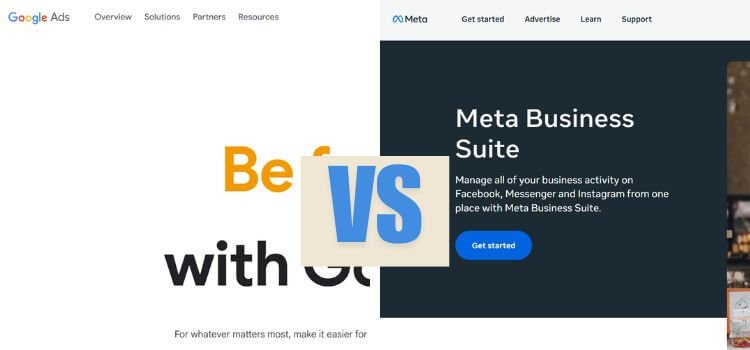
Google Ads and Meta Ads are two popular online platforms for advertising. They help businesses reach customers effectively.
I have spent countless hours working with Google Ads and Meta Ads, two of the most popular online advertising platforms. Both have helped me connect with the right audience, drive traffic, and boost sales for my projects. While each platform is effective, they serve different purposes.
Google Ads works best for targeting people actively searching for products or services, while Meta Ads excel at building awareness and engagement on social media. Deciding between them depends on your goals, budget, and target audience. In this guide, I’ll share my experience to help you understand these platforms and make the best choice for your business.
What is Google Ads?
Google Ads is an online advertising platform by Google. It allows businesses to show their ads on Google Search, YouTube, and partner websites. Ads appear based on the keywords people search for.
Key features of Google Ads include:
- Ads are shown on search results and YouTube.
- Targeting based on location, keywords, and user devices.
- Pay-per-click pricing model, meaning you only pay when someone clicks on your ad.
For example, if you own a flower shop, using the keyword “buy flowers near me” can place your ad on the top of search results when someone looks for flowers. Google Ads offers precise targeting, ensuring your ad is seen by people ready to buy your product.
This platform also provides analytics tools like Google Analytics to track the performance of your campaigns. You can measure impressions, clicks, and conversions, helping you refine your strategies over time. Google Ads’ versatility makes it suitable for businesses of all sizes.
You May Also Read: Top 5 Social Media Management Tools
What are Meta Ads?
Meta Ads (formerly Facebook Ads) lets businesses show ads on Facebook, Instagram, Messenger, and the Meta Audience Network. It’s a great platform for targeting people based on their interests and behaviours.
Features of Meta Ads:
- Ad placement on social media platforms.
- Advanced targeting like age, gender, and hobbies.
- Affordable starting budget (as low as $5 per day).
Imagine you’re selling handmade jewelry. Meta Ads can show your product to people who like jewelry or have recently browsed similar items. The platform’s visual appeal, combined with its social media focus, makes it perfect for businesses aiming to engage users emotionally. Meta Ads are ideal for creating brand awareness and building a loyal customer base.
You May Read This Article: How to Use LinkedIn for B2B Marketing?
Google Ads Vs Meta Ads: Which is Best for Your Business?
Meta Ads and Google Ads are two of the most widely used online advertising platforms, each offering distinct features and benefits. Both help businesses connect with their target audience and boost conversions, but choosing the right one depends on your advertising goals.
Google Ads Vs Meta Ads Comparison Table:
| Factor | Meta Ads (Facebook & Instagram Ads) | Google Ads |
|---|---|---|
| Reach | Over 2.8 billion monthly active users on Facebook & Instagram | Over 3.5 billion searches per day on Google |
| Ad Placement | Facebook, Instagram, Messenger, Audience Network | Google Search, YouTube, Gmail, Display Network, Partner Sites |
| Ad Formats | Image ads, video ads, carousel ads, Collection ads, Instant Experience ads | Search ads, display ads, shopping ads, video ads, app ads |
| Targeting Options | Interest-based, demographic, behavioral, lookalike audiences | Keyword-based, search intent, geographic, audience retargeting |
| User Intent | Best for targeting users based on browsing behavior and interests | Best for reaching users actively searching for products/services |
| Cost | Generally lower cost per click (CPC) | Can be more expensive due to keyword competition |
| Conversion Tracking | Meta Ads Manager tracks leads, purchases, app installs | Google Analytics tracks conversions, phone calls, form submissions |
| Best For | Brand awareness, engagement, social commerce, retargeting | High-intent leads, direct conversions, local searches |
Reach
Both platforms provide extensive reach, but they work differently.
- Google Ads operates on the world’s largest search engine, processing over 3.5 billion searches daily. This makes it ideal for businesses looking to target users actively searching for products or services.
- Meta Ads, backed by Facebook’s vast network of over 2.8 billion monthly active users, allow businesses to target users based on their interests and online behaviour, even if they aren’t actively searching for a product.
Ad Formats
Both platforms offer diverse ad formats, but some are unique to each:
- Meta Ads supports image ads, video ads, and carousel ads, along with Collection Ads and Instant Experience Ads, which create immersive user interactions.
- Google Ads provides Search Ads, Display Ads, and Video Ads to target users across search results, partner websites, and YouTube.
Your choice depends on your campaign objectives—Google Ads works well for intent-based searches, while Meta Ads is better for visually engaging audiences.
Targeting Options
Both platforms offer advanced targeting, but with different approaches:
- Google Ads focuses on keyword-based intent, allowing businesses to target users based on their search queries and location.
- Meta Ads uses demographic, behavioural, and interest-based targeting, even allowing businesses to reach users based on past purchase activity.
If you want to target users actively searching for products, Google Ads is the way to go. If you want to reach potential customers based on their lifestyle and interests, Meta Ads may be a better fit.
Cost
Ad costs vary depending on factors like competition, audience, and ad format.
- Google Ads tend to be more expensive because of high competition for keywords. However, it can yield higher returns for businesses focused on direct conversions.
- Meta Ads is generally more affordable, making it a great option for businesses looking to build brand awareness and engage a broader audience.
Conversion Tracking
Both platforms offer tools to measure ad performance and optimize campaigns:
- Google Ads integrates with Google Analytics for detailed conversion tracking.
- Meta Ads provides Ads Manager, allowing businesses to track purchases, leads, app installs, and other valuable conversions.
Both platforms help businesses refine their strategies by analyzing data and improving ROI.
Audience
Your choice depends on who you want to target and how:
- Google Ads is best for reaching users with high purchase intent—those actively searching for a product or service.
- Meta Ads excels in engaging users who may not be searching but fit your target customer profile based on behaviour and interests.
Benefits of Using Google Ads
Google Ads offers unique advantages that make it a favourite among businesses:
Massive Reach: With over 8.5 billion searches daily, Google Ads helps you connect with a vast audience. Whether you’re targeting local customers or a global market, Google Ads ensures your product gets visibility.
High Intent: People using Google search are often looking for specific solutions. For instance, someone searching for “best running shoes” is likely ready to buy. Google Ads helps you capture this intent effectively.
Ad Format Options:
- Text Ads: Perfect for quick, informative messages.
- Shopping Ads: Showcase products with prices, making them ideal for e-commerce.
- Video Ads: Engage audiences visually on YouTube.
Detailed Analytics: Tools like Google Analytics provide insights into your ad’s performance. Metrics such as Click-Through Rate (CTR), impressions, and conversions allow you to make informed decisions.
Cost Efficiency: With a Pay-Per-Click (PPC) model, you only pay when someone clicks on your ad. This ensures your budget is spent on interested users.
Overall, Google Ads is a powerful platform for businesses looking to drive high-quality traffic and achieve measurable results.
Benefits of Using Meta Ads
Meta Ads excel in engaging audiences on social media. Here’s why they’re a great choice:
- Social Media Engagement: Meta Ads are designed to connect with people emotionally. Users can like, share, or comment on your ad, increasing interaction and visibility.
- Cost-Effective: Starting with as little as $5 per day, Meta Ads are beginner-friendly. Small businesses can test the waters without significant financial risk.
- Advanced Targeting: Reach users based on their demographics, interests, and behaviours. For example, you can target “Women aged 25-35 who love yoga.”
- Visual Appeal: Meta Ads prioritize images and videos. Formats like carousel ads and story ads grab attention quickly, making your brand memorable.
- Comprehensive Analytics: Meta Business Suite offers detailed performance metrics. You can track engagement rates, impressions, and audience reach, helping you optimize your campaigns.
Meta Ads are perfect for businesses focusing on storytelling and brand engagement. They allow you to build a community around your product or service.
Tips to Get Started With Google Ads and Meta Ads
For Google Ads:
- Use Google Keyword Planner to find the right keywords.
- Start with a small budget and scale up based on results.
- Track performance using Google Analytics. Monitor metrics like CTR and conversions to refine your strategy.
For Meta Ads:
- Experiment with different ad formats, such as videos and carousels.
- Use Meta Business Suite to analyze performance and make adjustments.
- Target specific audiences by age, interests, or behaviours to maximize results.
Regardless of the platform, these tips can help you get the most out of your ad campaigns.
FAQs On Google Ads vs Meta Ads
What is the main difference between Google Ads and Meta Ads?
Google Ads targets search intent, while Meta Ads focuses on social media engagement.
Which platform is cheaper for beginners?
Meta Ads often have a lower starting cost, making them beginner-friendly.
Can I use both platforms together?
Yes, combining both can maximize your reach and results.
How do I track my ad performance?
Use tools like Google Analytics for Google Ads and Meta Business Suite for Meta Ads.
Which is better for e-commerce businesses?
Google Ads works well for high-intent searches, while Meta Ads excels in visual storytelling and audience engagement.
Conclusion
Both Google Ads and Meta Ads are powerful tools for businesses. Google Ads is ideal for targeting users with high purchase intent, while Meta Ads is perfect for engaging audiences on social media. The best platform depends on your goals, audience, and budget.
Experimenting with both platforms can provide valuable insights into what works for your business. Ready to grow your brand? Start using Google Ads, Meta Ads, or both today!